Chapter 2: Ancient Paths to The Land of the North Folk
A brief interlude – Wideham Farm Campsite – rest day… sort of
It was a chilly night, but after a long and restful night, I woke to a lovely fine day
I’m camped in a field with two young bikers, one side of me, and a field of horses on the other. There are camper vans on site, I missed the Beast.
The lads were cooking bacon when I crawled out my tent, and my thoughts turned to food
I had one dried meal left for tonight and a snack bar. There are no shops nearby and no shop on site. Another gripe of mine is no charging points for phones. Campsites simply don’t cater for hikers.
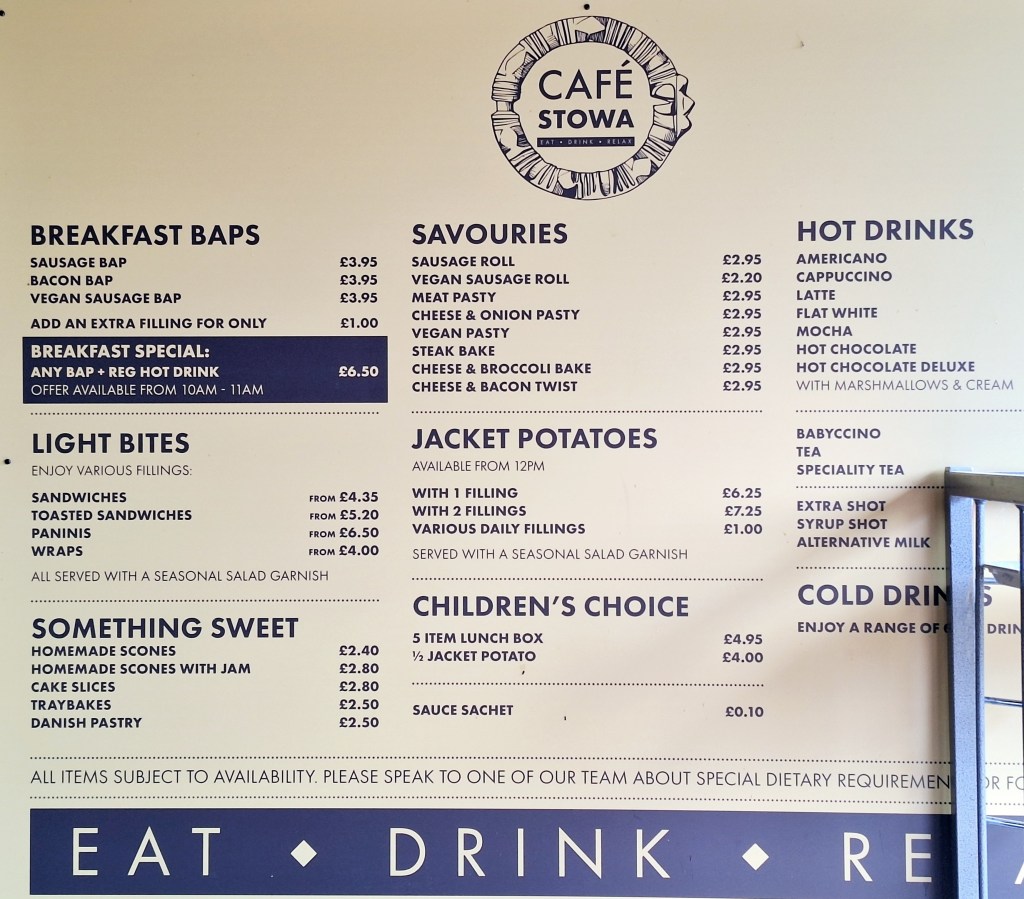
My eyes looked a fright, and so did my ankles, puffy and swollen. After leaving my laundry to dry on the tent, I headed across the road in search of food at the cafe at the West Stow Anglo Saxon Village and Country Park
Saved once more, this time by a bacon butty and coffee. They also have sandwiches that I can stock up on to get me through my next stage on the trail
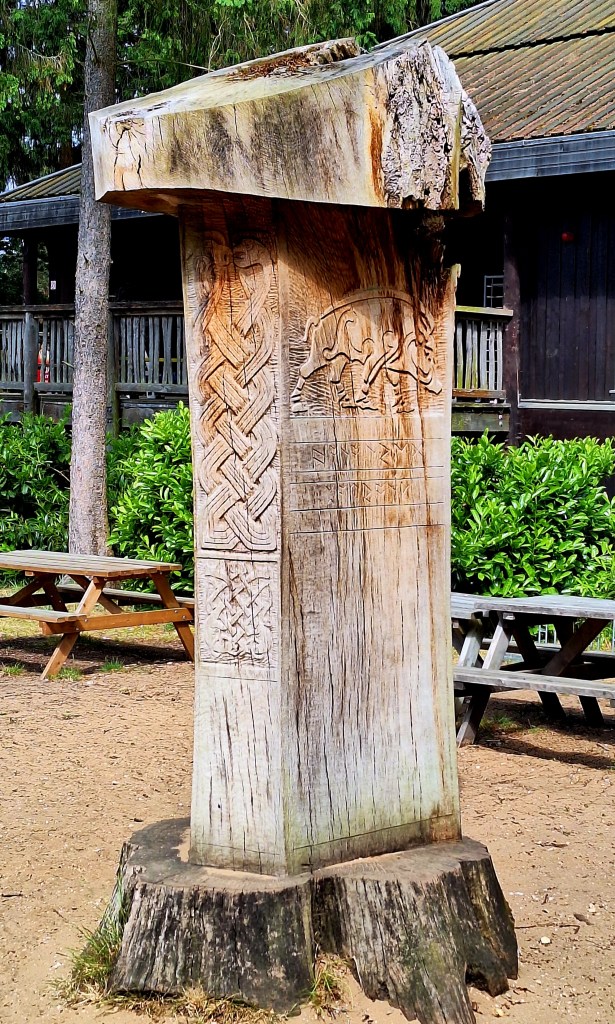
In fact, I spent most of the day here, quietly exploring the village and museums. Deftly evading two school parties, with the help of the stuard who told me their schedule
The weather was hot all day, and I was glad not to be walking
According to Wiki, West Stow has been settled from around AD 420–650. In the later 13th century, the site was covered by blown sand, a phenomenon which was to continue to plague the Breckland sand areas into the 20th Century. The worked out and exhausted farmland now became poor heathland. The site lay undisturbed for nearly 500 years, grazed over only by sheep.
There was a major archaeological dig here from 1965–1972 headed by Dr. Stanley West of West Suffolk Archaeology Unit. It revealed a well-preserved Anglo-Saxon site beneath the sands of the Breckland.
In the 1970s, complete with flares, long hair, and Pink Floyd, experimental archaeology was conducted, and the village was created
I would be quite happy living in any of these huts. Very cosy
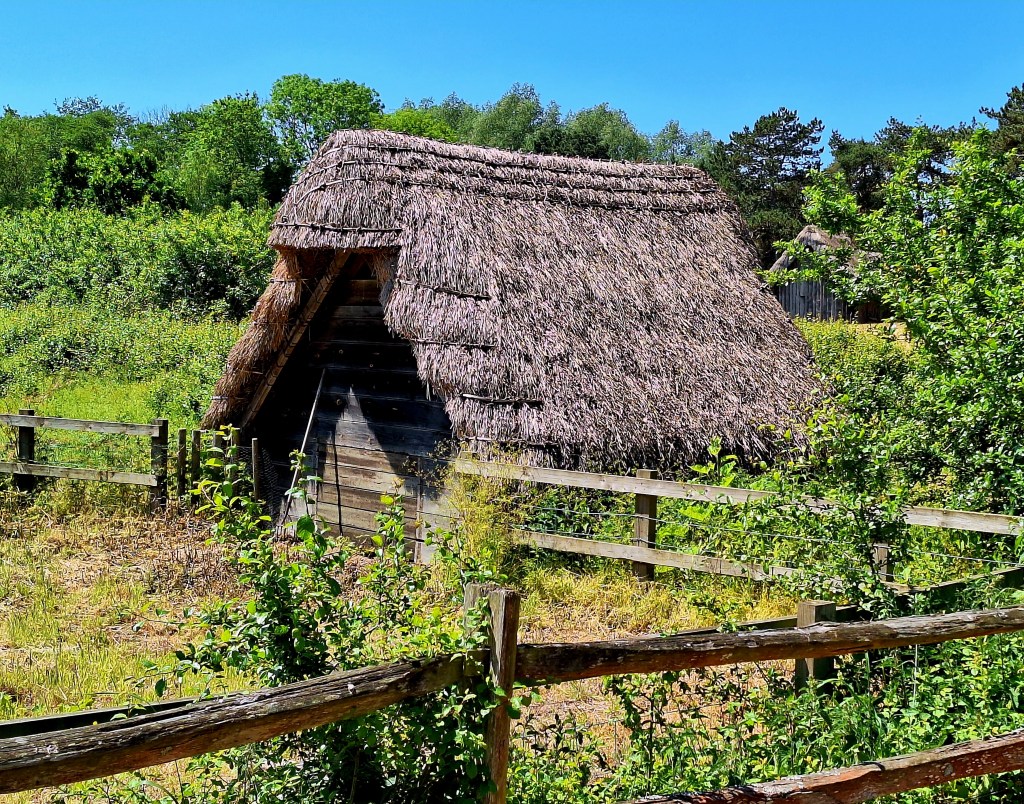
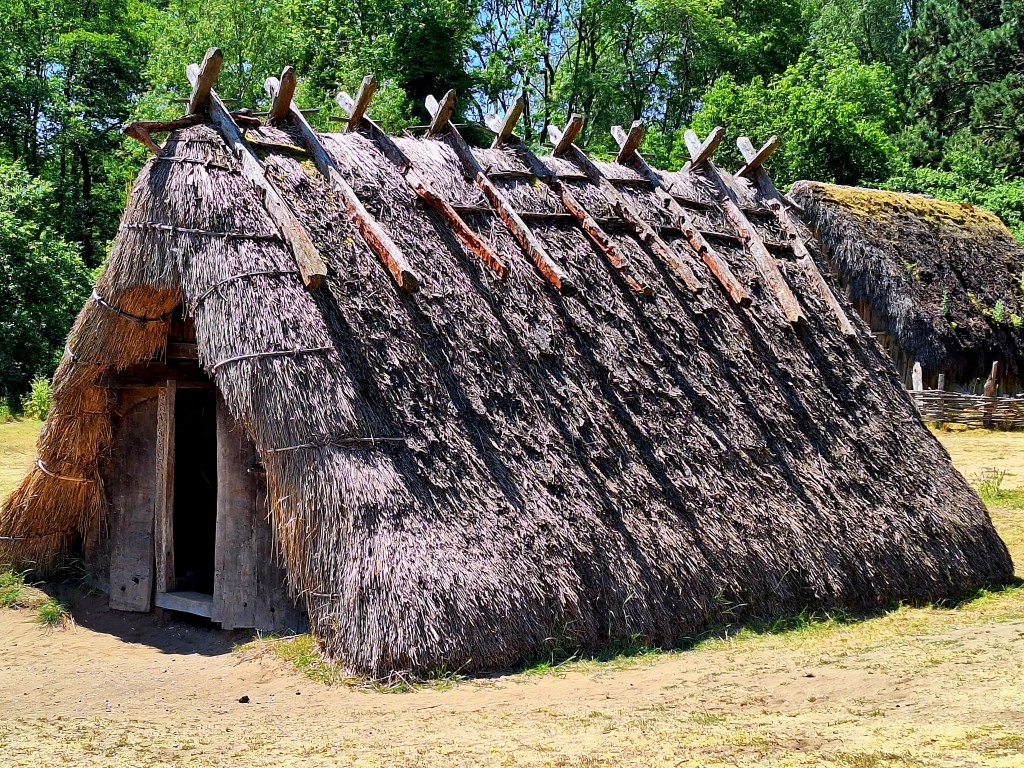
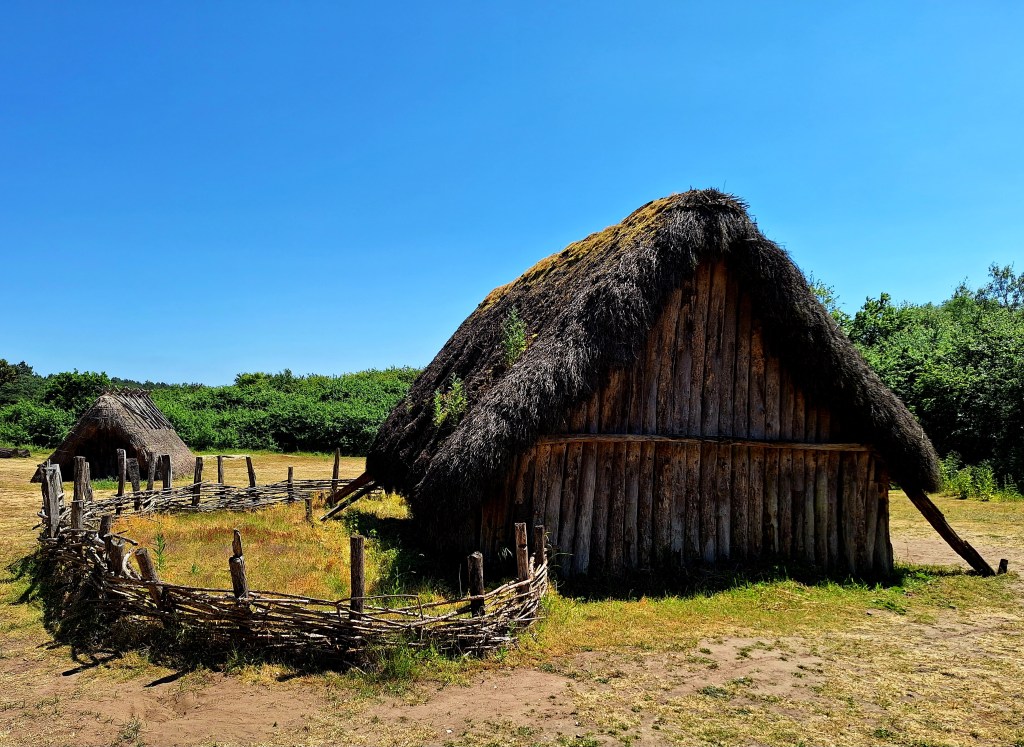

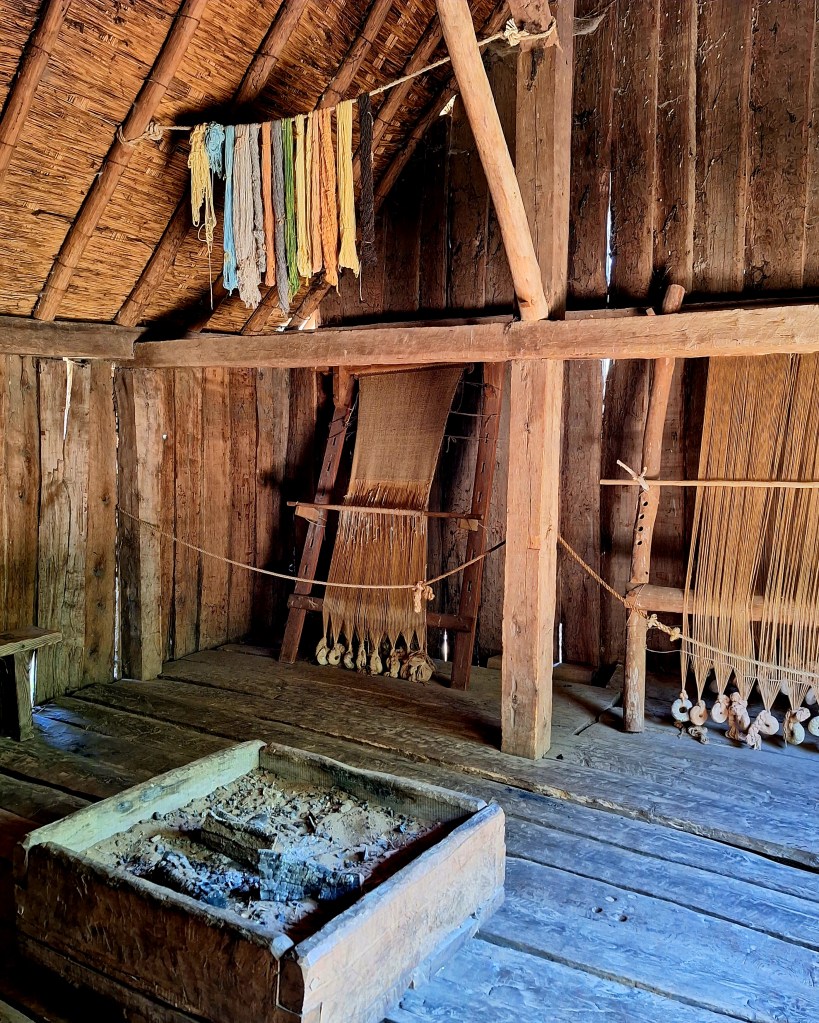

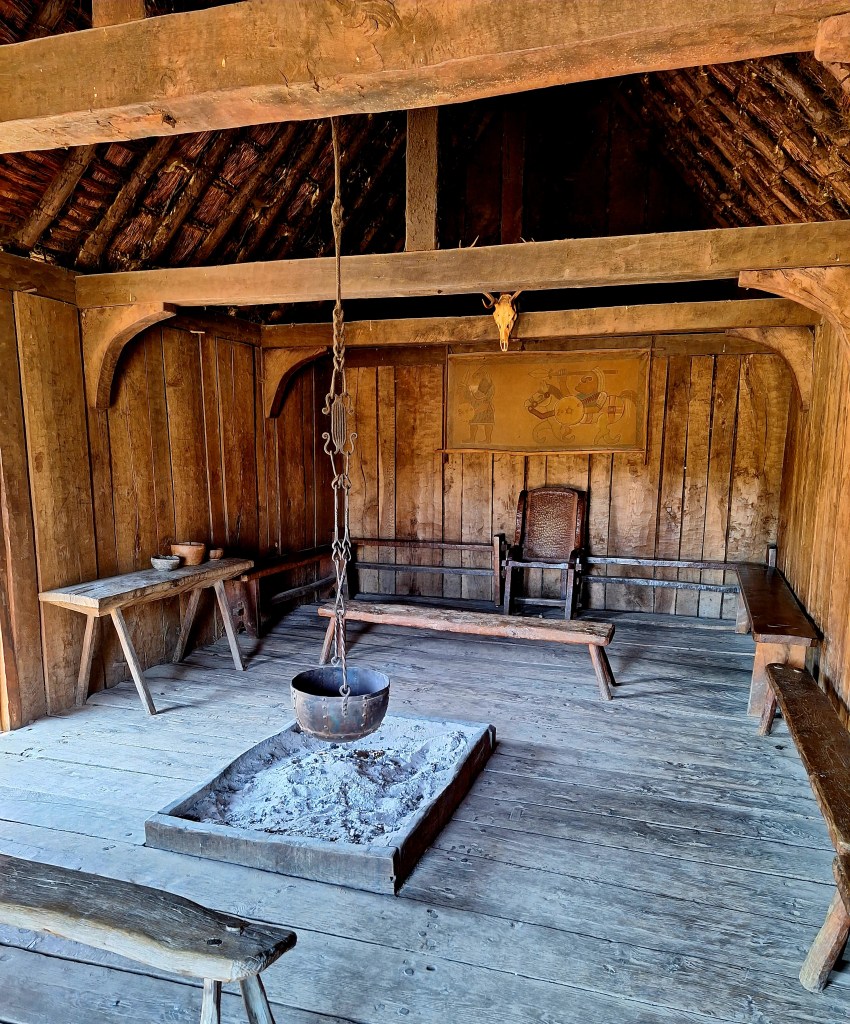
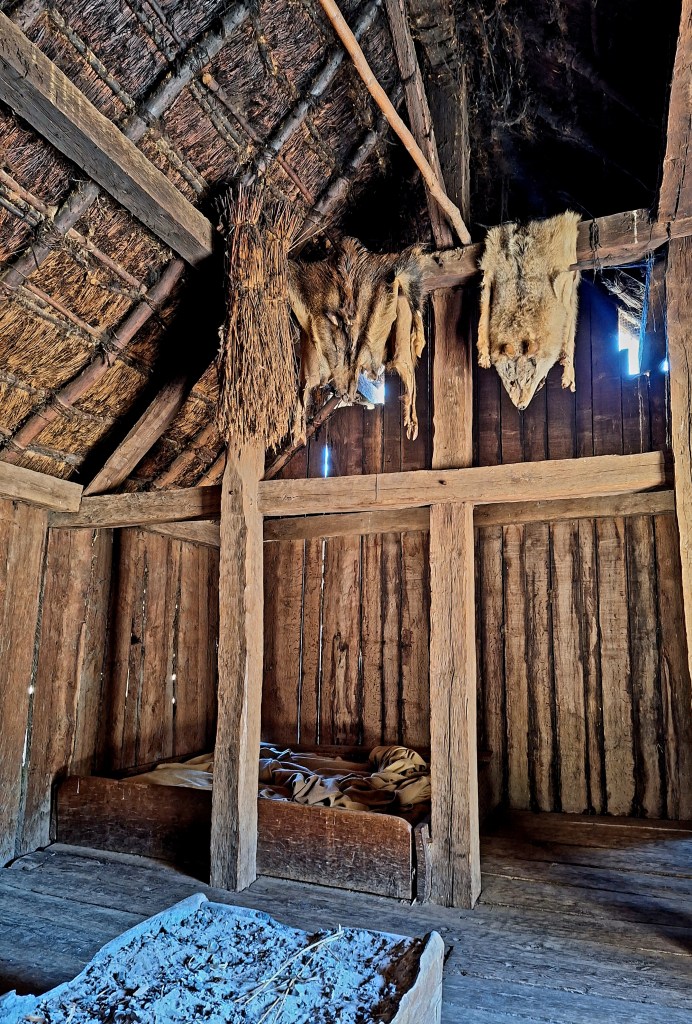
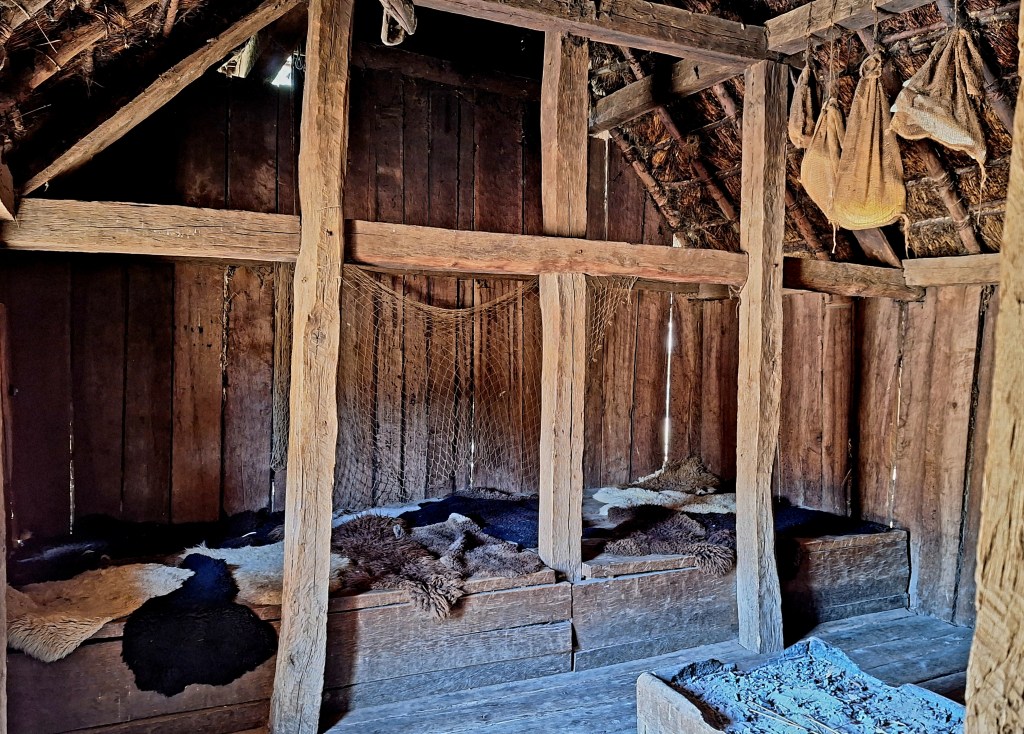
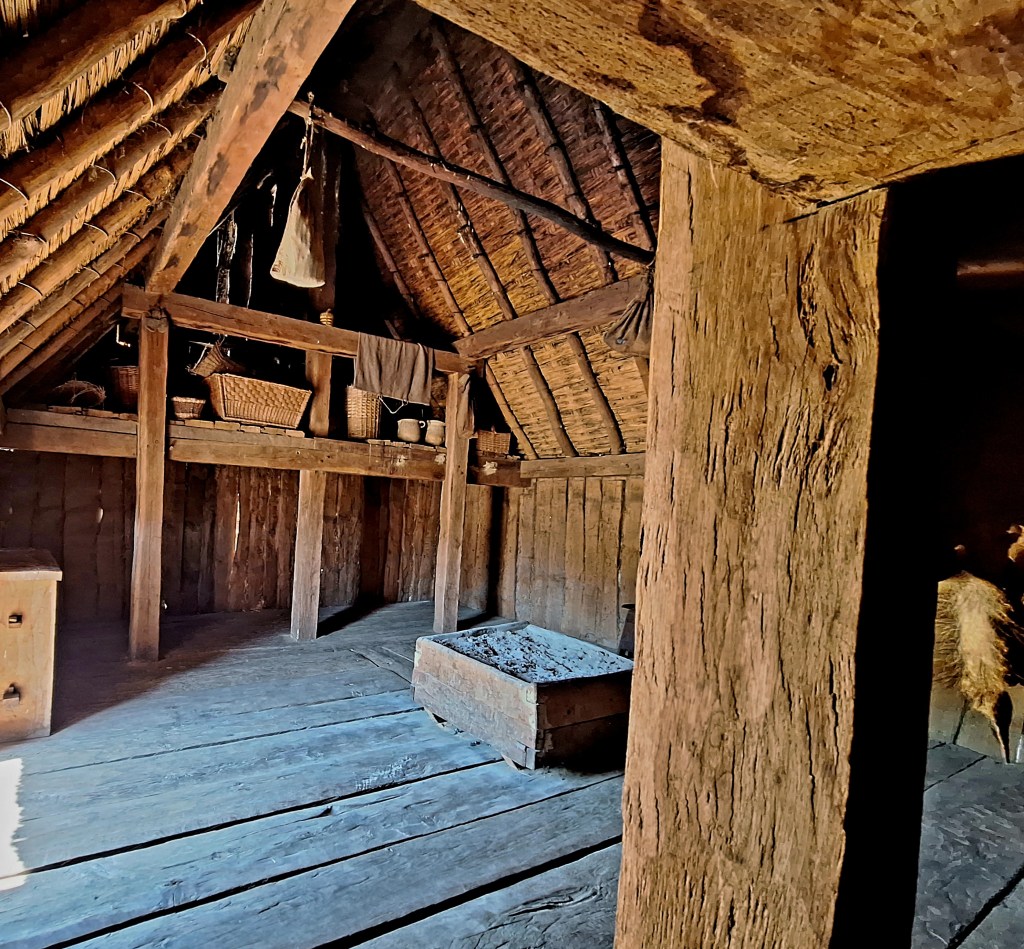
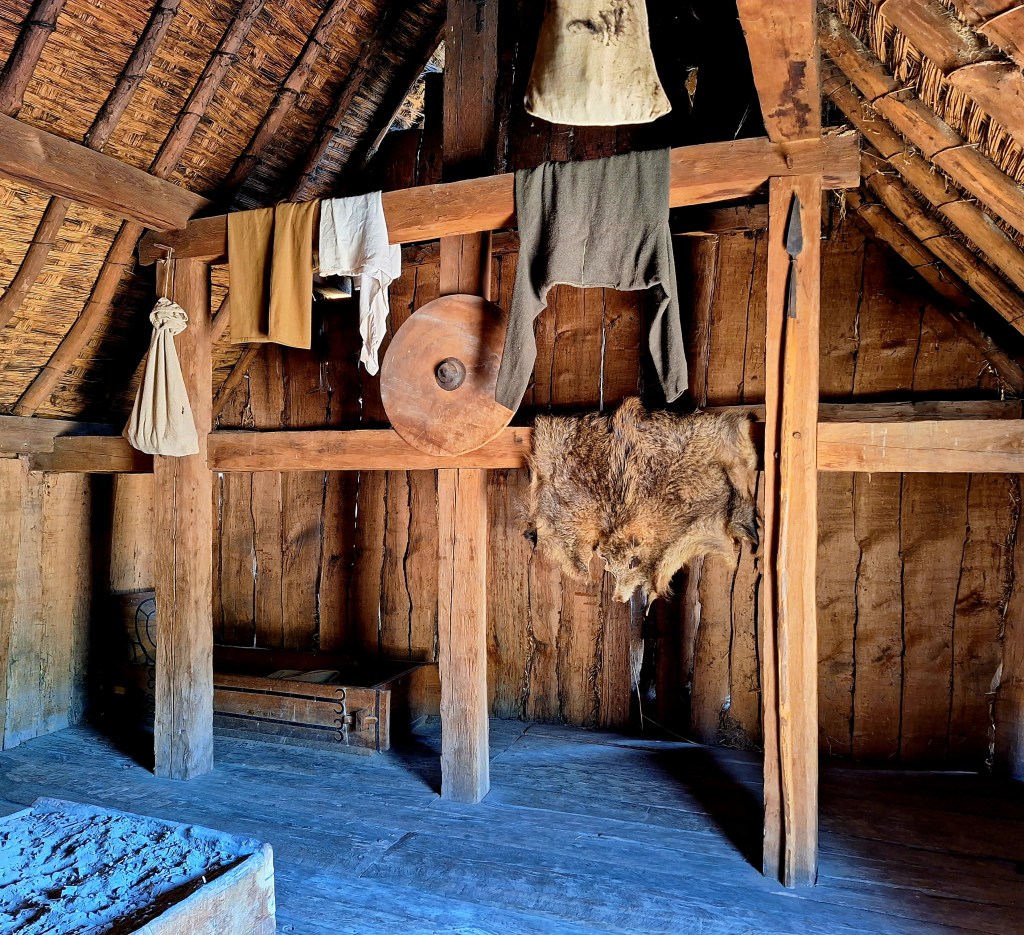
The museum is well worth a look around. The archaeological finds from West Stowe and Icklingham tell the history of this area
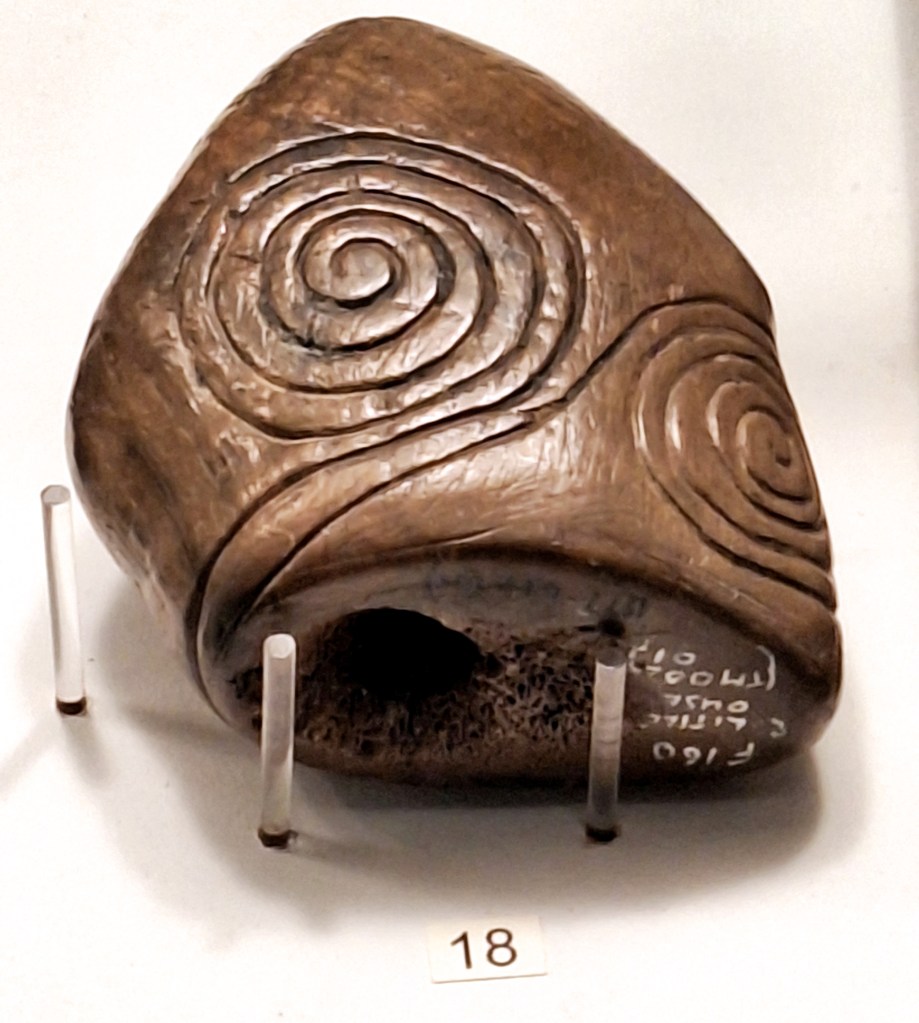
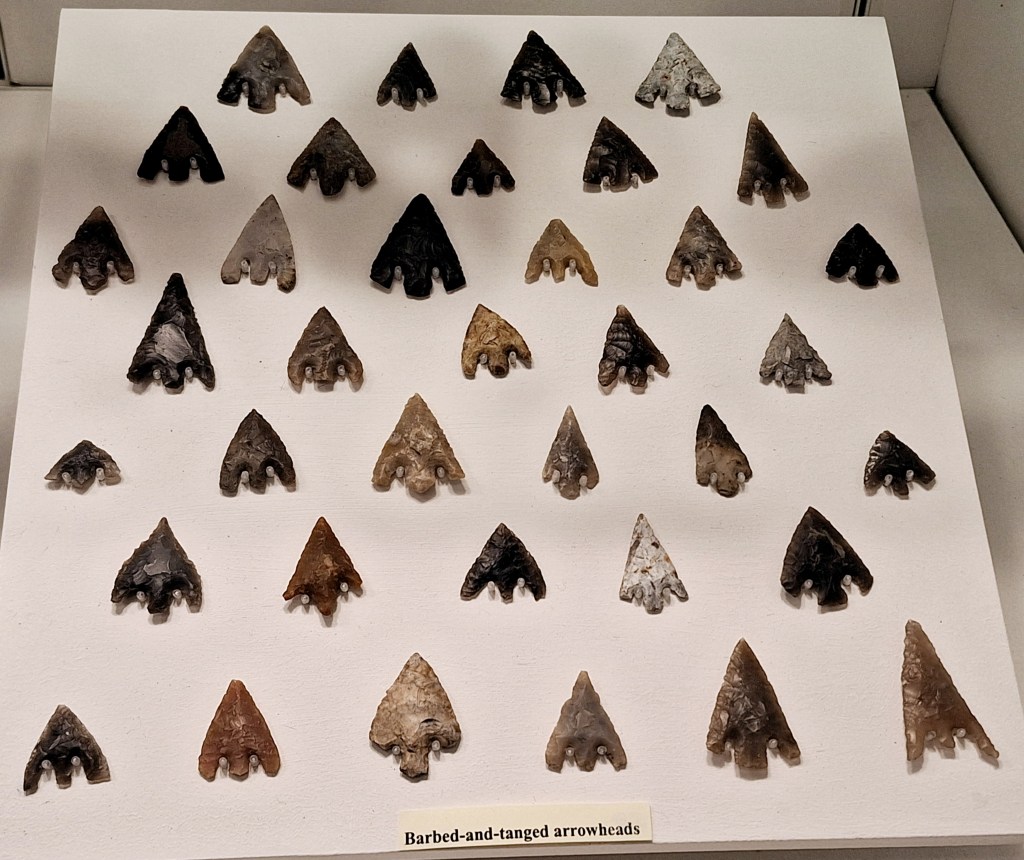
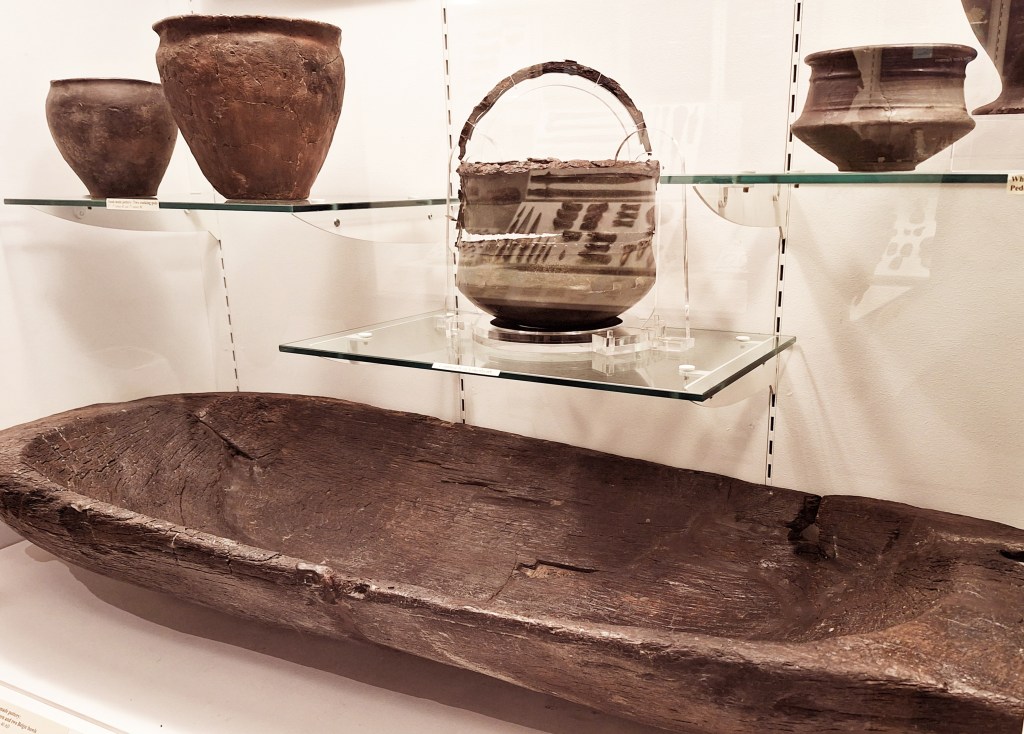
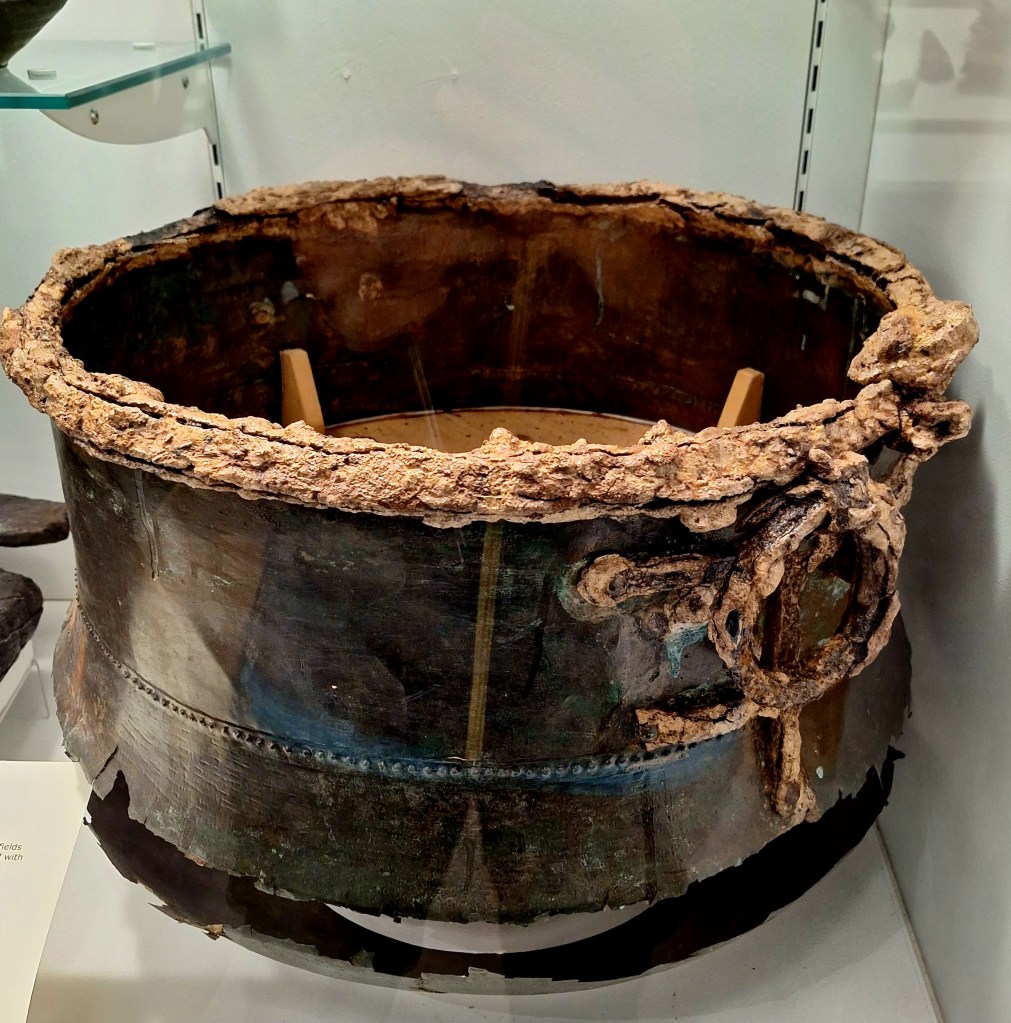
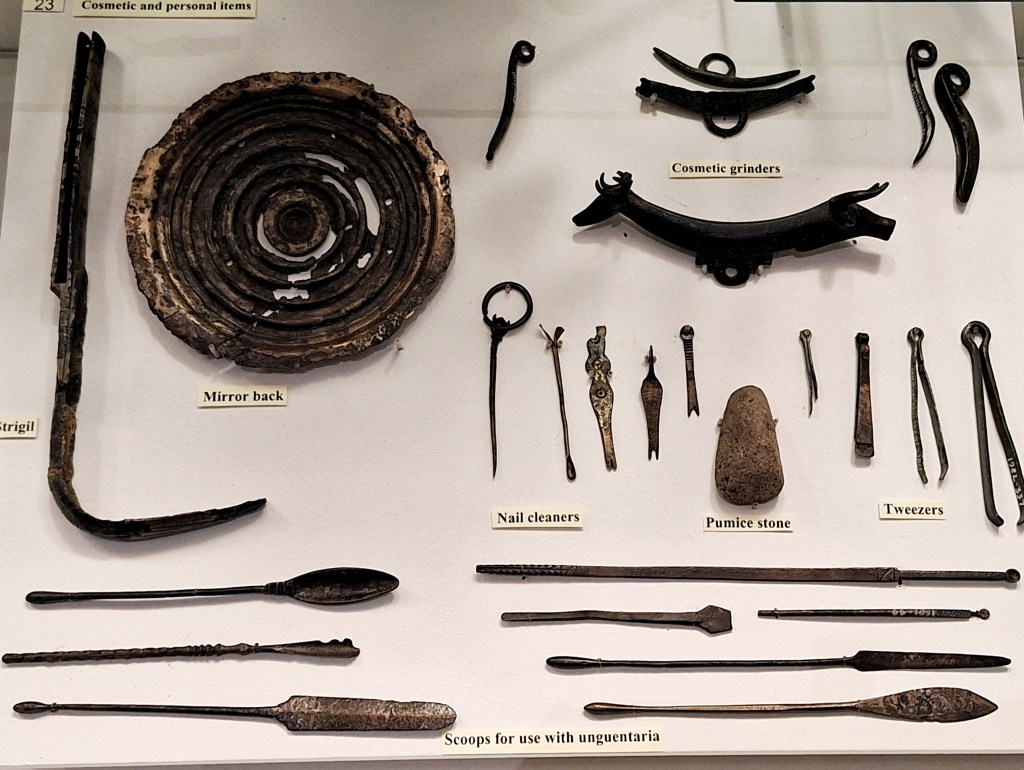

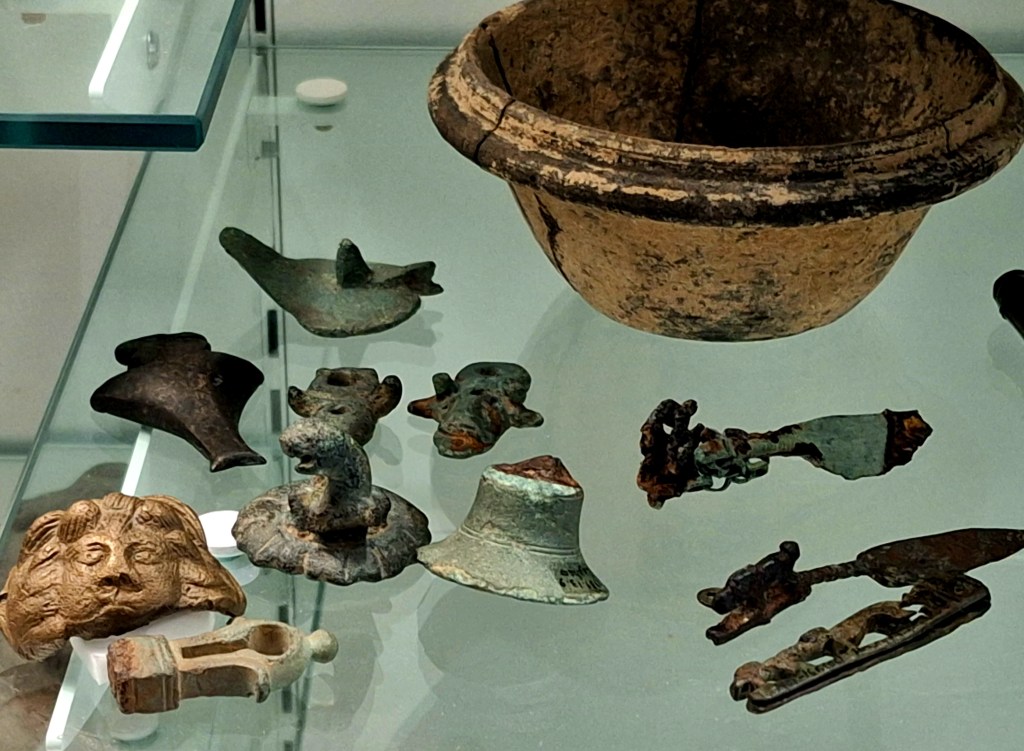
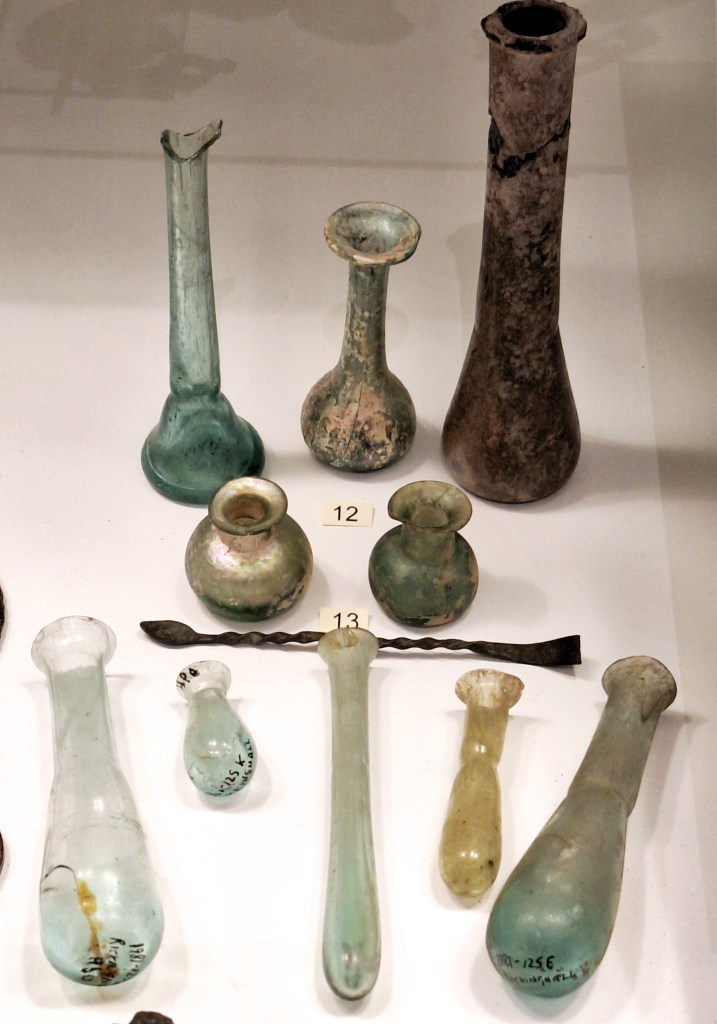
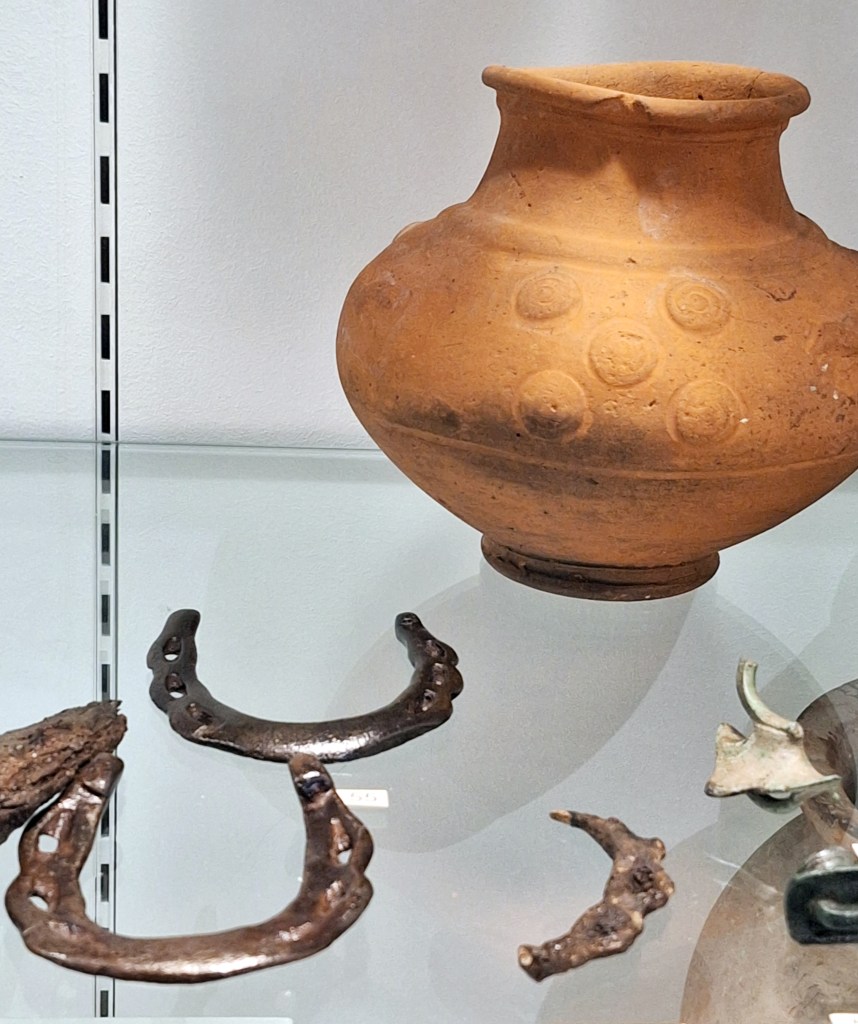
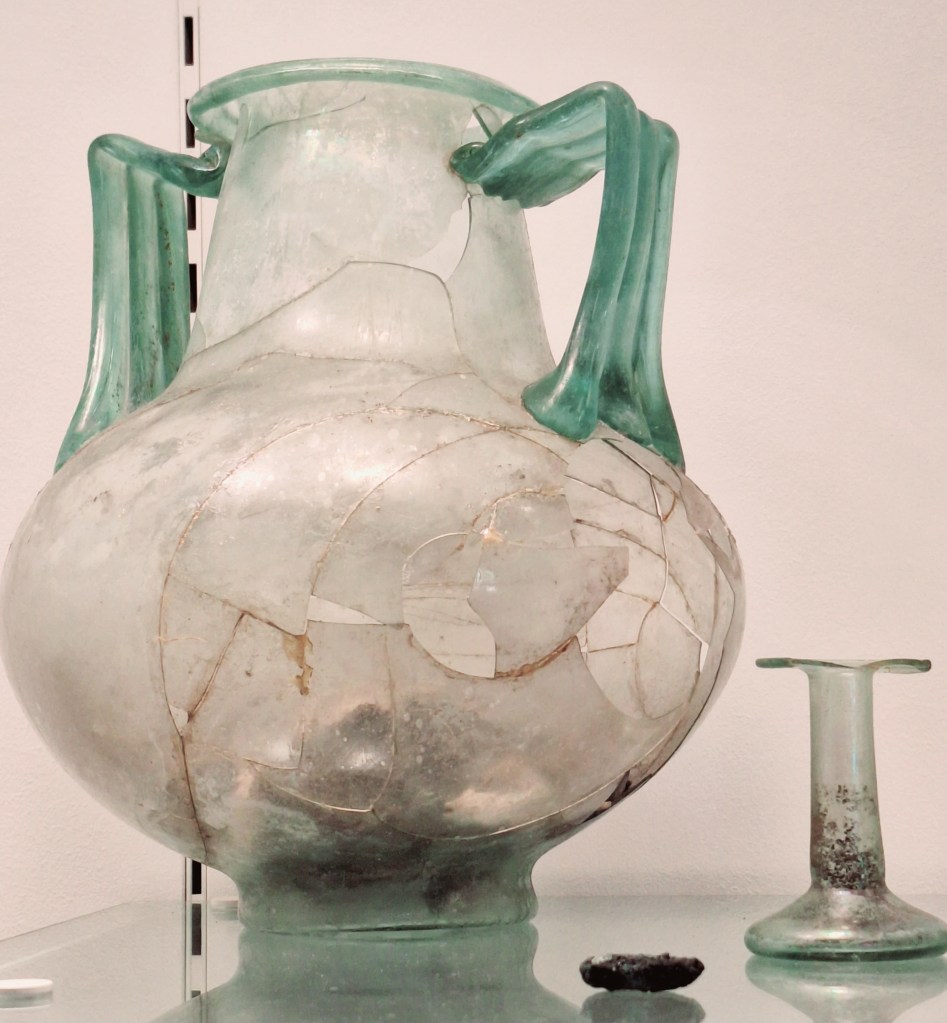
Gorgeous Roman stuff – what did they ever do for us
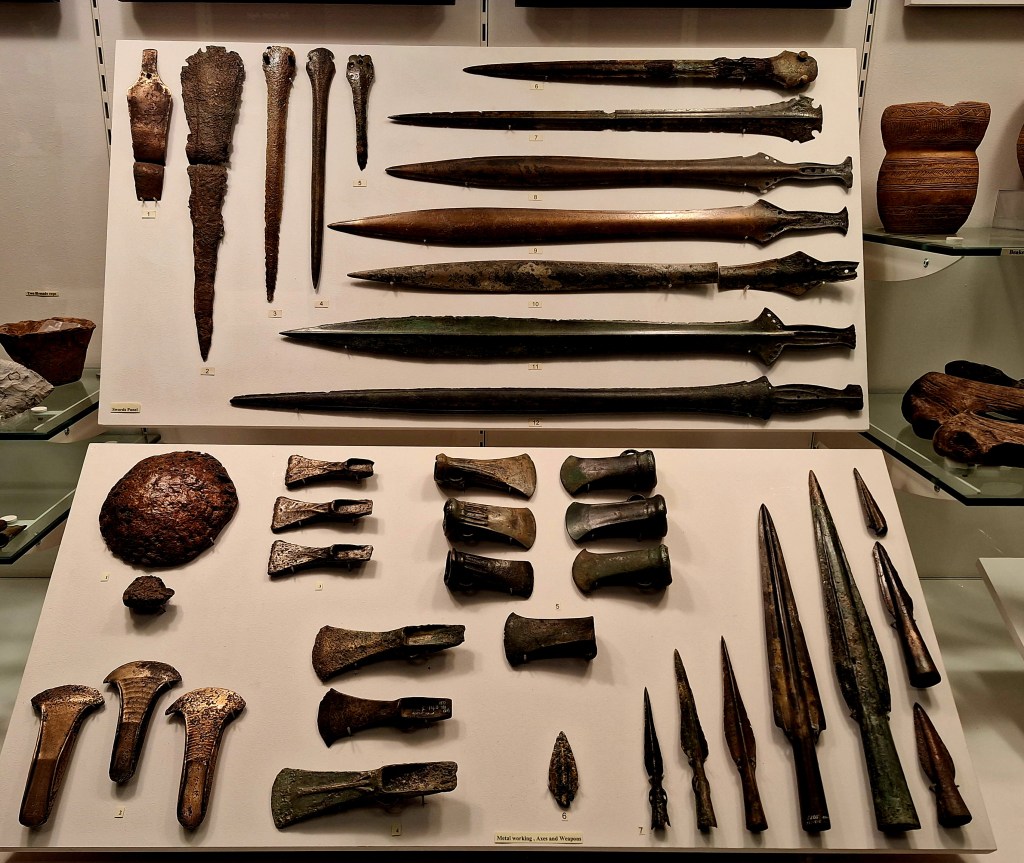
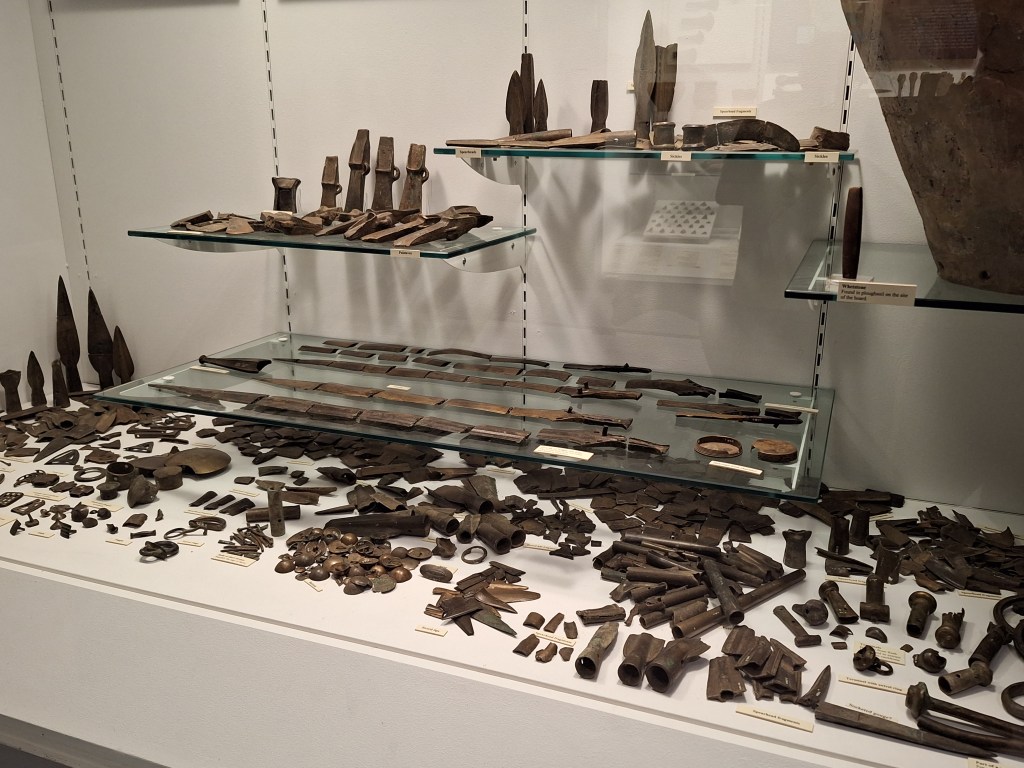
The museum also holds some of The Isleham Hoard. More than 6,500 pieces of worked and unworked bronze, dating from the Bronz Age, found in 1959 by William ‘Bill’ Houghton and his brother, Arthur, at Isleham Cambridgeshire
The Cornish may be interested to know, that durin excavations at West Stow, part of a neolithic axe, made from Cornish ‘green stone’ was found. That would be Serpentine
This suggests that goods were traded along the Icknield Way from East Anglia to Wessex and beyond
Well, after all that excitement, it was time for an ice cream and a lie down. I found a hole in the tent
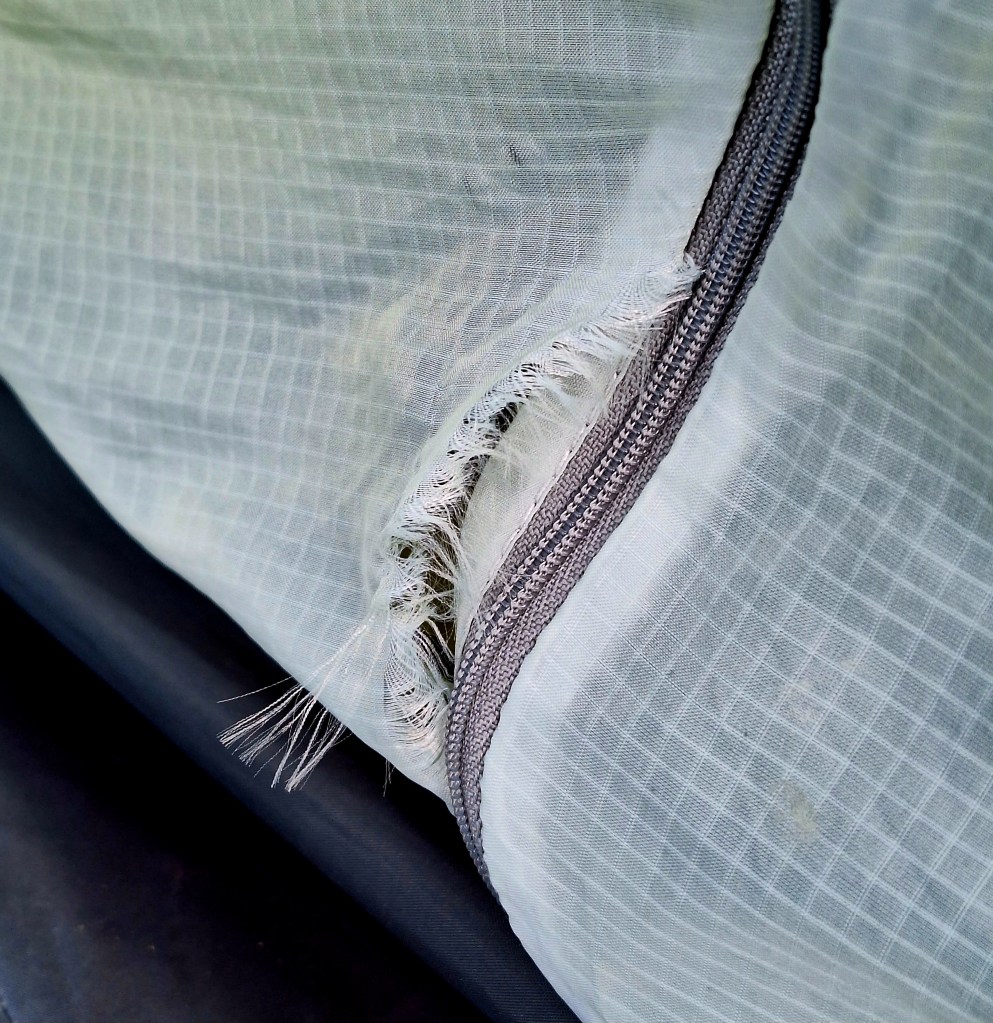
From omorrow I will be walking shorter days. I’m wild camping tomorrow, somewhere… so I can start later and amble slowly through the Kings Forest to Knettishal Heath and the end of the Icknield Way
Thats it, all caught up
Until tomorrow
 Tales From The Trails
Leave a comment